Archives
- 2026-10
- 2026-09
- 2026-08
- 2026-07
- 2026-06
- 2026-05
- 2026-04
- 2026-03
- 2026-02
- 2026-01
- 2025-12
- 2025-11
- 2025-10
- 2025-09
- 2025-03
- 2025-02
- 2025-01
- 2024-12
- 2024-11
- 2024-10
- 2024-09
- 2024-08
- 2024-07
- 2024-06
- 2024-05
- 2024-04
- 2024-03
- 2024-02
- 2024-01
- 2023-12
- 2023-11
- 2023-10
- 2023-09
- 2023-08
- 2023-06
- 2023-05
- 2023-04
- 2023-03
- 2023-02
- 2023-01
- 2022-12
- 2022-11
- 2022-10
- 2022-09
- 2022-08
- 2022-07
- 2022-06
- 2022-05
- 2022-04
- 2022-03
- 2022-02
- 2022-01
-
Over the past decade extensive research has been directed to
2024-11-13

Over the past decade, extensive research has been directed toward the discovery of Aurora-selective small-molecule inhibitors. As a result, a handful of Aurora inhibitors has been identified. Among them, 1 (VX-680) and 2 (SNS-314) have entered human clinical trials as pan-Aurora kinase inhibitors (F
-
If the lack of specificity and the high
2024-11-13

If the lack of specificity and the high pleiotropy may represent a problem in view of the potential chemotherapeutic features of autophagy-inducing agents, it Debio-1347 may switch into an advantage in the case of chemopreventive strategies. In fact, as non-pharmacologic interventions such as limit
-
In PMCA Mg favors the conversion E
2024-11-13
In PMCA, Mg2+ favors the conversion E1P → E2P [13] and, as in SERCA [11], it accelerates the phosphorylation displacing the E1–E2 equilibrium towards E1. In SERCA, Sørensen et al. [41], proposed that ATP reacts by an associative mechanism mediated by two Mg2+ ions to form an aspartyl-phosphorylated
-
br Ataxia telangiectasia and Rad related
2024-11-13
Ataxia–telangiectasia and Rad3 related as a therapeutic target Several concerns revolving around functional inhibition of ATR have hindered the exploitation of ATR as therapeutic target in cancer therapy and delayed the development of specific ATR kinase inhibitors. It was anticipated that pharma
-
Two major categories of arginase inhibitors
2024-11-12
Two major categories of arginase inhibitors have been distinguished (Fig. 3): the first category comprises synthetic arginase inhibitors, which have been developed from the substrate l-arginine [35]; and the second category includes inhibitors derived from natural products [36]. The category of synt
-
Autophagy is a self protecting cellular catabolic pathway
2024-11-12

Autophagy is a self-protecting cellular catabolic pathway that degrades and recycles cytoplasmic contents for the maintenance of cellular homeostasis (Shao et al., 2016b). Macrophage autophagy plays an essential role in atherosclerosis by safeguarding LY2835219 against oxidative stress, reducing ap
-
br Results Four HT esters butyrate caprylate laurate and
2024-11-12
Results Four HT esters (butyrate, caprylate, laurate and stearate esters) were chosen as representative compounds of increasing lipophilicity (Fig. 1). We will refer to them as C4HT, C8HT, C12HT and C18HT, respectively. They have been synthesized, purified and characterized according to our previ
-
mao inhibitors Formation of SAHFs in human cells is a
2024-11-12
Formation of SAHFs in human mao inhibitors is a dynamic and multifaceted process that is largely dependent on the p16/pRB ras-induced senescence pathway [108]. Many details remain to be elucidated but formation appears to be driven by a complex of histone chaperones (HIRA and ASF1a), a pRB/hBrm/HDAC
-
It was reported that oral
2024-11-12
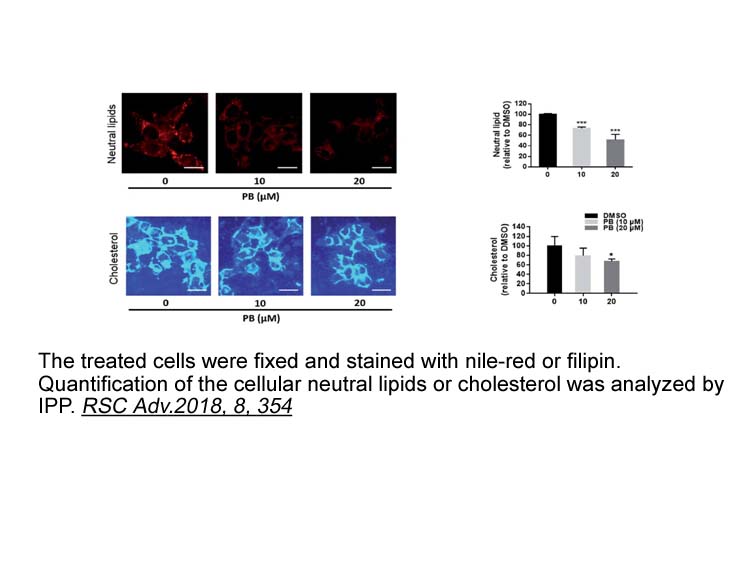
It was reported that oral administration of CSZ to C57BL/6J mice significantly improved spatial learning and memory, and prevented Aβ-induced immunoresponse in Aβ25-35-injected mice. However, post-treatment with CSZ after Aβ25-35 administration, when Aβ was already accumulated, did not prevent Aβ-in
-
With regard to participation of
2024-11-12
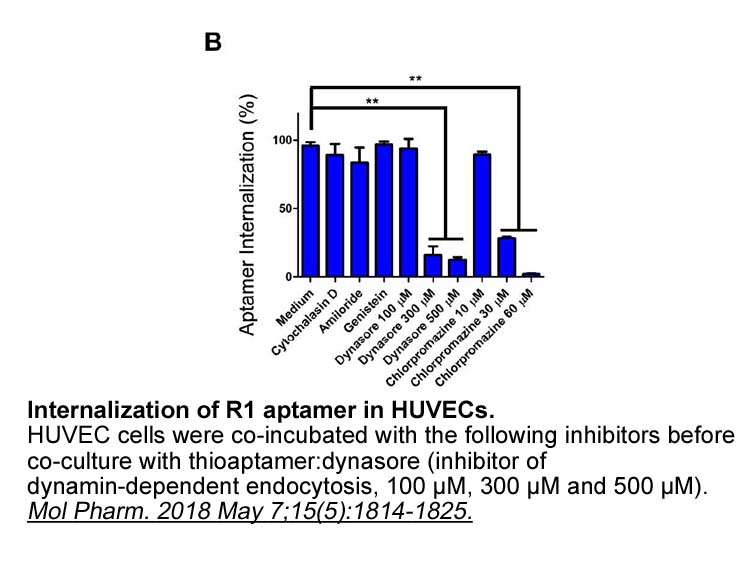
With regard to participation of the 12S-lipoxygenase in diabetes mellitus, inconsistent results have been obtained. Earlier studies demonstrated that the leukocyte-type 12S-lipoxygenase is specifically expressed in pancreatic b-cells and is involved in regulating glucose-stimulated insulin secretion
-
br Results br Discussion Tapinarof GSK is a
2024-11-12
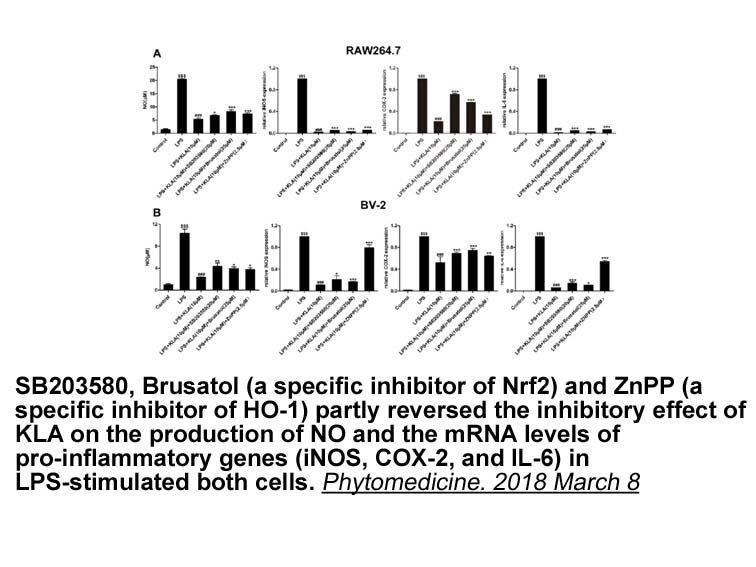
Results Discussion Tapinarof (GSK2894512) is a naturally derived investigational topical medicine with demonstrated clinical efficacy for patients with AD and psoriasis (Bissonnette et al., 2010, Bissonnette et al., 2012a). The drug substance is a polyphenol produced by bacteria that is struct
-
The random zero offset of
2024-11-12
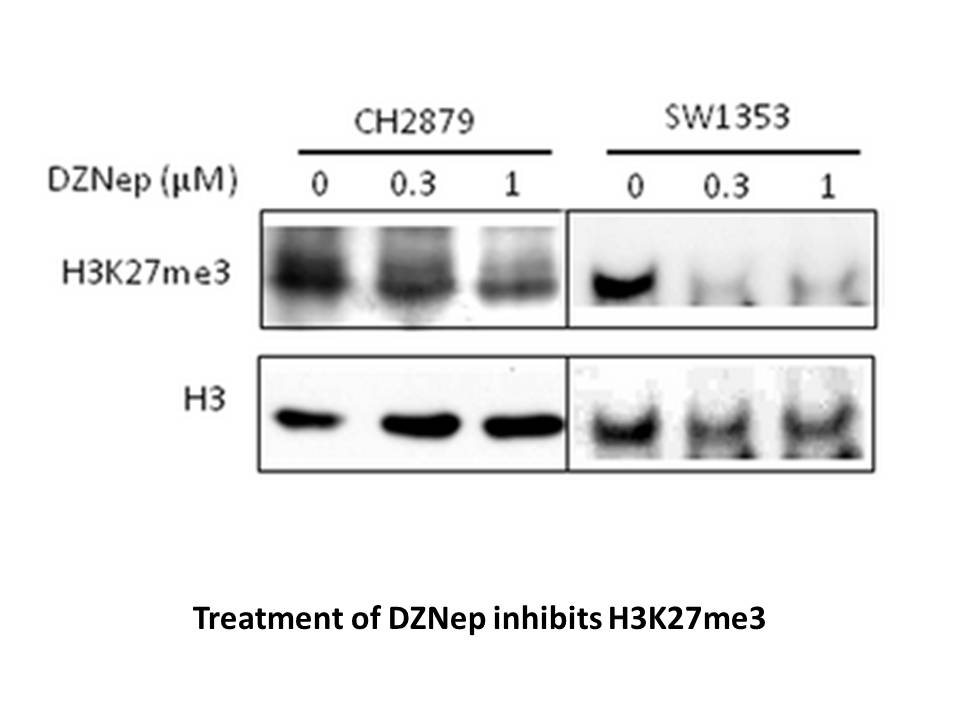
The random zero offset of accelerometer and gyroscope estimated by two-step observation update Kalman filter are shown in Table 2, one group of estimated results is shown in Fig. 3. Contrast with the data from Eq. (23) and the ones from Fig. 3 and Table 2, it can be seen that the random zero offset
-
The assay performance was estimated using Z factors
2024-11-12
The assay performance was estimated using Z′-factors (plotted in Fig. 2A) according to Zhang et al. calculated for each plate comparing positive (in the absence of an inhibitor) and negative controls (in the presence of an AdK inhibitor). The mean Z′-factor±SD was determined to be 0.7±0.1, indicativ
-
Altogether the situations described above clearly impede
2024-11-12
Altogether, the situations described above clearly impede the critical steps of drug discovery and development and the scientific process in general [14]. In conclusion, it is the opinion of these authors that many exciting lines of drug discovery (which includes those devoted to nAChR ligands) have
-
br Conclusions br Acknowledgments br Introduction To die
2024-11-11
Conclusions Acknowledgments Introduction To die or not to die – that is the question. Christian de Duve created the word “autophagy” in 1960’s for the first time (Klionsky et al., 2016). The word “autophagy” was derived from the Greek roots “auto” (self) and “phagy” (eating) and referred to
7944 records 86/530 page Previous Next First page 上5页 8687888990 下5页 Last page