Archives
- 2026-09
- 2026-08
- 2026-07
- 2026-06
- 2026-05
- 2026-04
- 2026-03
- 2026-02
- 2026-01
- 2025-12
- 2025-11
- 2025-10
- 2025-09
- 2025-03
- 2025-02
- 2025-01
- 2024-12
- 2024-11
- 2024-10
- 2024-09
- 2024-08
- 2024-07
- 2024-06
- 2024-05
- 2024-04
- 2024-03
- 2024-02
- 2024-01
- 2023-12
- 2023-11
- 2023-10
- 2023-09
- 2023-08
- 2023-06
- 2023-05
- 2023-04
- 2023-03
- 2023-02
- 2023-01
- 2022-12
- 2022-11
- 2022-10
- 2022-09
- 2022-08
- 2022-07
- 2022-06
- 2022-05
- 2022-04
- 2022-03
- 2022-02
- 2022-01
-
On the other hand imidazolylcyclopropane derivatives and hav
2022-01-03
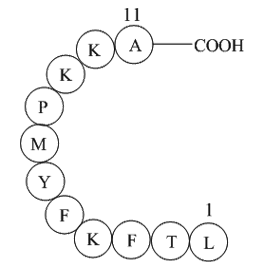
On the other hand, imidazolylcyclopropane derivatives and having a 2-substituted benzimidazolyl group showed moderate binding affinities for both the HR and HR. Replacement of 4-chlororbenzylamino group of with a benzimidazolyl group () led to increase the affinity for the HR more than 5-fold ( = 1
-
Bile acids are the end products of
2022-01-03
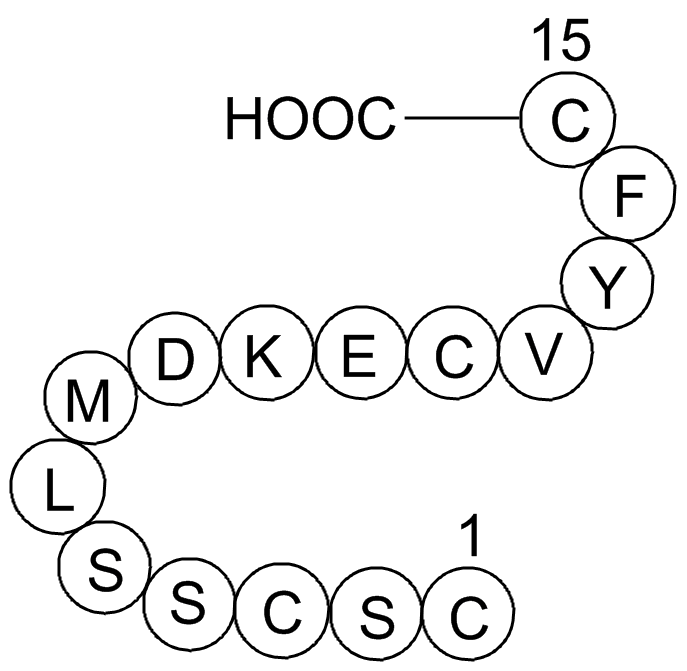
Bile acids are the end products of cholesterol catabolism and have also been considered as hepatomitogens. Recently, Yap has been shown to be activated by the mevalonate pathway, which is essential for the biosynthesis of isoprenoids and downstream cholesterol and bile acids (Sorrentino et al., 2014
-
To prevent toxicity of free hemoglobin
2022-01-03

To prevent toxicity of free hemoglobin as well as its degradation metabolites heme and free iron, several scavenger proteins and degradation enzymes protect the body. Haptoglobin (Hp) is the most well described hemoglobin scavenging protein that binds free hemoglobin and transports it to macrophages
7923 records 529/529 page Previous First page 上5页 526527528529